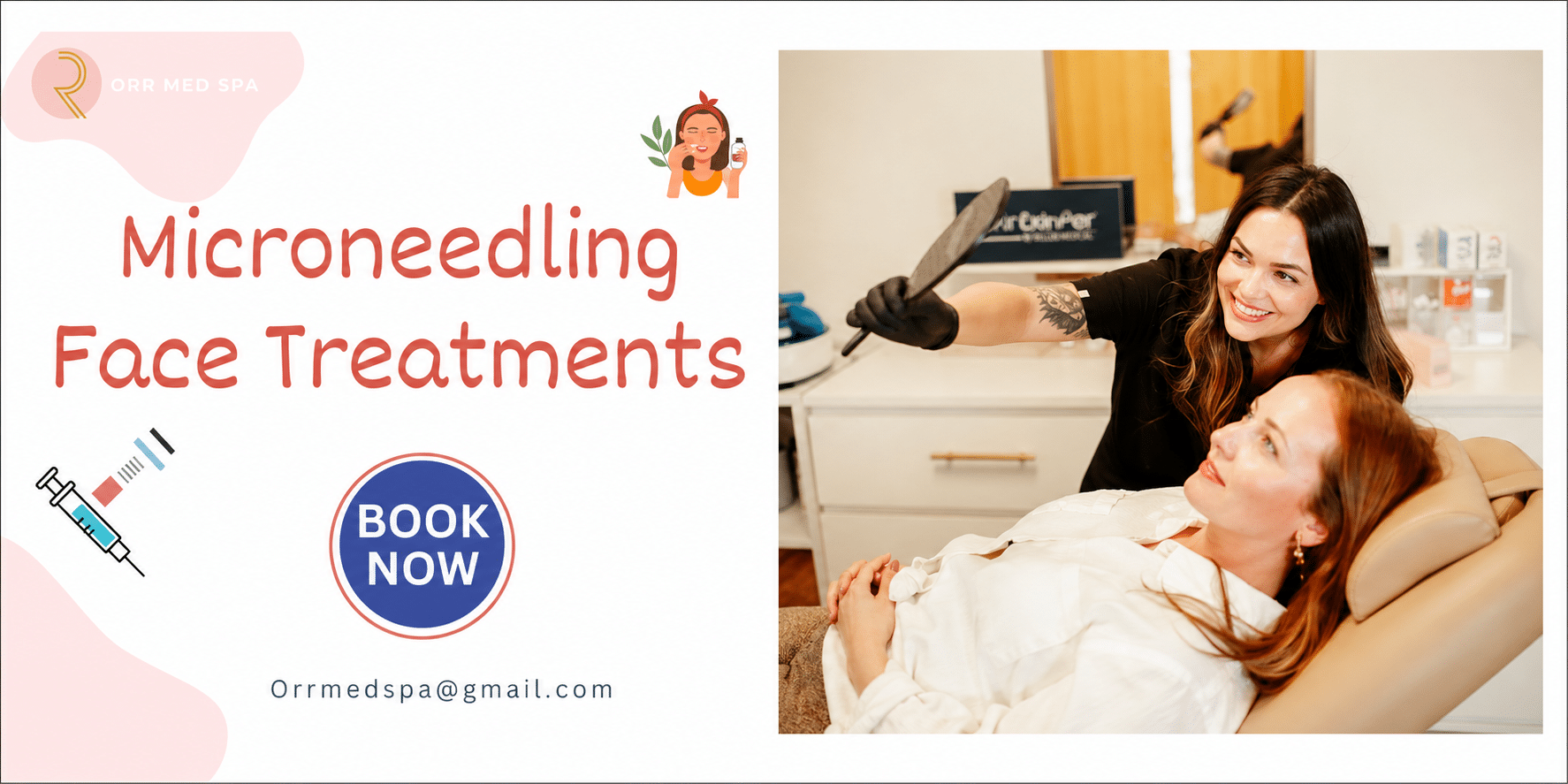
Microneedling has emerged as one of the most effective, science-backed treatments in modern skincare, combining cosmetic refinement with true skin regeneration. By creating thousands of microscopic channels in the skin, this technique activates the body’s natural healing response, triggering collagen and elastin production at a cellular level. The result is a visibly smoother texture, improved tone, softened scars, and firmer, more resilient skin.
What many people don’t realize is that microneedling isn’t a single, one-size-fits-all procedure. Today, it exists in multiple advanced forms, each designed to target specific concerns such as acne scarring, pigmentation, wrinkles, enlarged pores, hair thinning, or stretch marks.
Understanding these variations is key to choosing the right treatment for your skin goals. This guide breaks down the different types of microneedling face treatments, explaining their purpose, technology, and unique benefits so you can make informed, results-driven decisions about your skin.
Microneedling Types: A Complete Guide to Radiant SkinThis blog explores the evolving world of microneedling, revealing how it has grown into a diverse range of advanced skin-rejuvenation treatments. From manual and automated techniques to radiofrequency-enhanced systems and PRP-infused therapies, each method serves a distinct purpose and targets specific concerns such as acne scars, wrinkles, pigmentation, and skin laxity. Understanding these variations empowers readers to choose the right approach for their goals, making microneedling a personalized, results-driven investment in healthier, more radiant skin. |
Different Types Of Microneedling Treatments
Manual Microneedling
Manual microneedling uses handheld tools such as dermal rollers, stamps, or needles to create controlled micro-injuries across the skin’s surface. These tiny punctures trigger the body’s natural wound-healing response, encouraging collagen and elastin production. While simple in design, this method requires skill and precision, as needle angle and pressure directly affect results. Manual tools are often used for shallow treatments and targeted areas, making them suitable for mild texture concerns, product infusion, or maintenance treatments.
Purpose and Benefit
The primary purpose of manual microneedling face treatment is to stimulate skin renewal and enhance topical absorption. It helps refine texture, soften early fine lines, and improve overall radiance, making it an ideal entry-level option for clients exploring facial rejuvenation before considering dermal fillers face treatment. It also supports better penetration of serums like hyaluronic acid and peptides, boosting hydration and glow.
Automated Microneedling
Automated microneedling treatment uses a pen-like device with rapidly oscillating needles that create uniform microchannels in the skin. Unlike rollers, these devices puncture vertically, allowing for more controlled depth and safer, more consistent results. Many modern devices are adjustable, enabling practitioners to tailor needle depth and speed based on the treatment area and skin concern.
Purpose and Benefit
Automated microneedling is designed to improve skin texture, tone, and firmness while addressing fine lines, enlarged pores, and acne scars. It stimulates collagen remodeling and accelerates cellular turnover, leading to smoother, plumper, more youthful-looking skin. Benefits include minimal downtime, customizable treatment depth, improved scarring, and enhanced absorption of active skincare ingredients. It’s ideal for clients seeking visible rejuvenation with a balanced approach between efficacy and recovery.
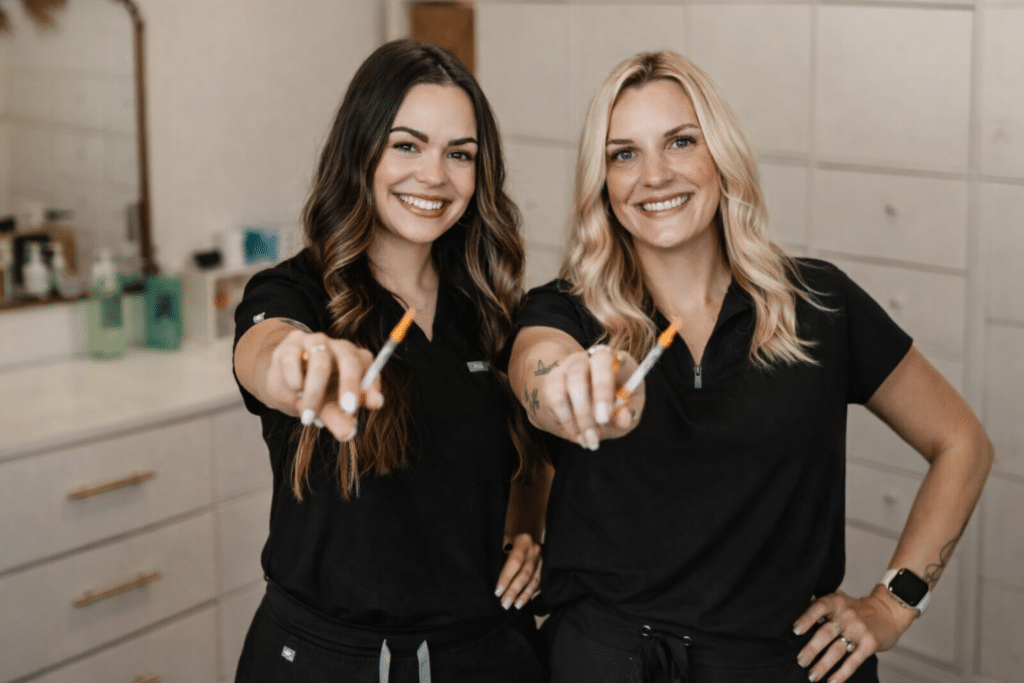
Fractional Radiofrequency (RF) Microneedling
Fractional RF microneedling services combine traditional microneedling with radiofrequency energy delivered through insulated needles. As the needles penetrate the dermis, RF heat is released into deeper skin layers, stimulating collagen and elastin at a structural level. This dual-action approach not only creates micro-injuries on the surface but also tightens and remodels tissue beneath the skin, making it one of the most advanced forms of microneedling available.
Purpose and Benefit
The purpose of RF microneedling is to address deeper concerns such as skin laxity, pronounced wrinkles, enlarged pores, and more severe scarring. The added radiofrequency energy enhances skin tightening and delivers longer-lasting collagen remodeling. Benefits include firmer skin, improved contour, reduced acne scars, refined pores, and smoother texture. It’s especially effective for mature skin or those seeking dramatic improvement in fewer sessions.
Dermaplaning/Dermabrasion and Microneedling
This combination treatment pairs exfoliation techniques, such as dermaplaning or dermabrasion with microneedling. Dermaplaning removes dead skin cells and peach fuzz, while dermabrasion mechanically resurfaces the skin. When followed by a microneedling facial, the freshly exfoliated surface allows for deeper and more even penetration of the needles and any applied serums or treatments.
Purpose and Benefit
The goal is to amplify results by preparing the skin for maximum response. Exfoliation enhances smoothness and clarity, while microneedling stimulates collagen and repair. Together, they improve tone, texture, and luminosity more efficiently than either treatment alone. This approach is ideal for dull, uneven skin and for clients seeking a brighter, more refined complexion with improved product absorption and visible rejuvenation.
Platelet-Rich Plasma (PRP) Therapy and Needle
Rollers/Stamping Tools
PRP microneedling face treatment incorporates platelet-rich plasma derived from the client’s own blood into the treatment process. After microneedling creates microchannels, PRP is applied and infused into the skin, delivering a concentrated dose of growth factors directly into deeper layers. When paired with rollers or stamping tools, PRP penetrates beyond the surface, enhancing the body’s natural regenerative response.
Purpose and Benefit
The purpose of PRP microneedling is to accelerate healing and amplify collagen and elastin production using the body’s own biological resources. It is highly effective for acne scars, surgical scars, pigmentation, sun damage, fine lines, and stretch marks. Benefits include faster recovery, enhanced skin regeneration, improved firmness, and more dramatic, longer-lasting results. It’s ideal for clients who prefer a natural, bio-identical approach to skin rejuvenation and want potent, restorative outcomes.
Conclusion
When chosen thoughtfully, microneedling becomes more than a cosmetic procedure; it becomes a long-term investment in skin health. With consistent care and the right approach, it can restore strength, radiance, and confidence, helping your skin look not just better, but truly renewed from within. At Orr Salon and Med Spa, we bring that philosophy to life. Our team offers artistry with science to deliver microneedling in Tulsa and Pryor, tailored to your unique skin goals. From gentle rejuvenation to advanced collagen remodeling, every service is guided by expertise and innovation. Here, confidence is our signature because glowing, healthy skin should feel empowering, approachable, and authentically you.
FAQs
Q1. How many microneedling sessions are needed to see real results?
Most people notice visible improvement after one session, but optimal results usually appear after three to six treatments spaced four to six weeks apart. This timeline allows collagen to rebuild between sessions. Deeper concerns like acne scars or laxity may require a longer treatment plan for cumulative, long-lasting change.
Q2. Is microneedling safe for all skin tones?
Yes, when performed by a trained professional, microneedling is safe for all skin tones. Unlike many laser treatments, it carries a lower risk of post-inflammatory hyperpigmentation. Proper depth selection, sterile technique, and post-care guidance are essential to ensure safe healing and even results across diverse skin types.
Q3. What does microneedling actually feel like during treatment?
Sensation varies by depth and technique, but most treatments feel like light scratching or vibration. Topical numbing cream is typically applied beforehand to keep discomfort minimal. RF or deeper treatments may feel warmer or more intense, yet remain well-tolerated in professional settings with proper preparation.
Q4. How long does it take for skin to heal after microneedling?
Initial redness usually fades within 24 to 72 hours. Mild swelling, tightness, or flaking may follow for several days. Deeper treatments can extend recovery slightly. While surface healing is quick, collagen remodeling continues for weeks, meaning improvements keep developing long after the skin appears normal.
Q5. What skincare should be avoided after microneedling?
For at least 48–72 hours, avoid retinoids, exfoliating acids, vitamin C, and fragranced products. These can irritate compromised skin. Stick to gentle cleansers, barrier-repair moisturizers, and medical-grade hyaluronic acid. Sunscreen is critical, as post-treatment skin is more vulnerable to UV damage.